Rekeying vs. replacing locks: which option fits your situation?
Why the choice between rekeying and replacement matters
When you need to improve the security of your home or business, one of the first decisions is whether to rekey your existing locks or install new ones. Both approaches have their place, and the right choice depends on your specific circumstances. Understanding how each works and when it makes sense can save you time, effort, and unnecessary expense.
Lock rekeying involves changing the internal pins of a lock cylinder so that a different key operates it. The lock hardware stays in place, but the old key no longer works. Replacement means removing the entire lock and installing a new unit. Each method addresses different scenarios, and knowing the difference helps you make an informed decision.
How rekeying works and why people choose it
Rekeying is a process that adjusts the lock cylinder to match a new key. A locksmith removes the cylinder, replaces the pins and springs, and reassembles it. The result is a lock that functions exactly as before but now responds only to the new key. This is particularly useful when you have multiple locks that you want to operate with a single key. Instead of replacing every lock, you can have them all rekeyed to the same key, simplifying your keychain and reducing hassle.
People often choose rekeying after moving into a new home or rental property. The previous occupants may still have copies of the keys, and rekeying ensures that only your keys work. It is also a common choice after a lost or stolen key incident, as it restores security without the expense of new hardware. For landlords managing tenant turnover, rekeying between tenants is a standard practice that keeps properties secure and avoids the need to replace every lock each time.
When replacement is the better route
There are times when replacing the lock is the more sensible choice. If the existing lock is worn, damaged, or outdated, rekeying may not address underlying issues. A lock that sticks, has a broken mechanism, or shows signs of forced entry should be replaced rather than rekeyed. Newer locks often come with improved security features such as hardened steel bolts, anti-pick pins, and bump-resistant designs that older models lack.
Another reason to replace is when you want to upgrade to a different type of lock. For instance, you might switch from a standard keyed deadbolt to a keypad lock or a smart lock that offers keyless entry and programmable access codes. These modern options provide convenience and enhanced control, especially for households that frequently need to grant temporary access to guests or service providers. Replacement is also necessary if the lock cylinder is damaged beyond repair or if the strike plate is misaligned in a way that cannot be corrected by rekeying.
Comparing the costs and effort
Rekeying generally costs less than full replacement because you reuse the existing hardware. The labor involves changing the pins rather than removing and installing a new lock. However, the price depends on the number of locks and the type of cylinder. Standard pin tumbler locks are straightforward to rekey, while high-security or restricted-keyway cylinders may require specialized tools and expertise.
Replacement involves purchasing new locks, which adds material cost. The labor is also more involved, as the old lock must be removed and the new one securely fitted. If the door or frame needs modification to accommodate a different lock type, that adds time and expense. For most residential situations, rekeying a set of locks is more economical than replacing them all. Yet when a lock is old or compromised, the investment in new hardware pays off in peace of mind.
For businesses, the decision often balances security needs with budget. A commercial property with many locks can save significantly by rekeying rather than replacing, especially if the existing hardware is in good condition. But if the locks are outdated or fail to meet insurance requirements, replacement becomes necessary.
Tenant turnover and rental property considerations
Rental property owners face this choice regularly. When a tenant moves out, the landlord needs to ensure that no former tenant retains access. Rekeying is the standard solution because it is quick and cost-effective. A locksmith can rekey all the exterior locks so that new keys work and old ones do not. This process does not require changing the appearance or function of the locks, which is often preferred by landlords who want consistency across units.
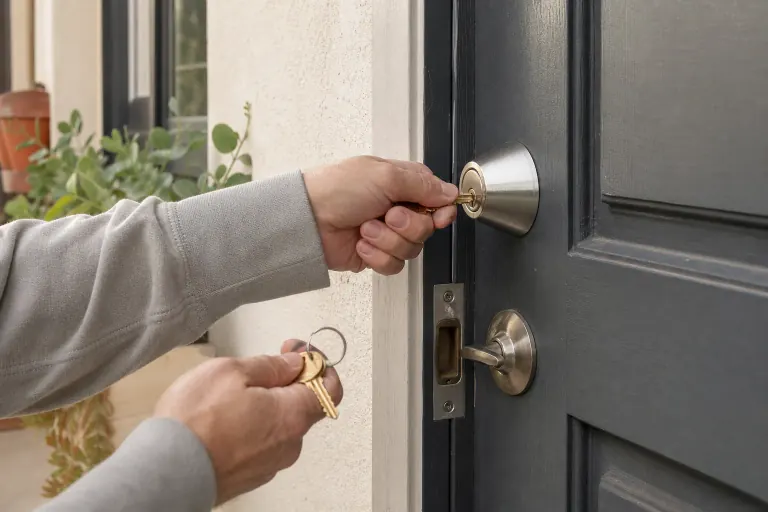
However, if the locks are showing wear or if the landlord wants to upgrade to keypad locks for easier access management, replacement may be the better long-term choice. Keypad locks allow the landlord to issue a temporary access code for maintenance or showings and then change it without rekeying. They also eliminate the need for physical key distribution, which can simplify operations for properties with high turnover.
Smart locks and keypad options
The rise of smart locks has introduced another dimension to the rekey-vs-replace decision. Many smart locks still use a traditional deadbolt mechanism but offer keyless entry via a keypad or smartphone app. Some models allow you to keep your existing deadbolt and simply add a smart module, while others require replacing the entire lock assembly.
If you want the convenience of an access code but are happy with your current deadbolt, you might choose a smart adapter that works with your existing hardware. This option blends rekeying with a technology upgrade. On the other hand, if you want features like remote locking, battery backup, or integration with a home automation system, a full replacement may be necessary. The choice depends on which features matter most to you and whether your current lock can support the upgrade.
Key factors to weigh
Before deciding, consider the following:
- Condition of the existing lock: Is it working smoothly, or does it show signs of wear or damage?
- Security needs: Do you need modern anti-theft features, or is the current lock adequate?
- Convenience: Would a single key for all locks simplify your life, or are you ready for keyless entry?
- Budget: Is rekeying a more practical expense now, or is it worth investing in new hardware for long-term benefits?
- Future plans: If you plan to sell or rent the property, which option adds more value?
There is no one-size-fits-all answer. For many homeowners, rekeying is a smart, low-cost solution after a move or a lost key. For others, replacing worn or outdated locks with modern ones provides better security and convenience. The key is to assess your situation honestly and choose the approach that meets your priorities.
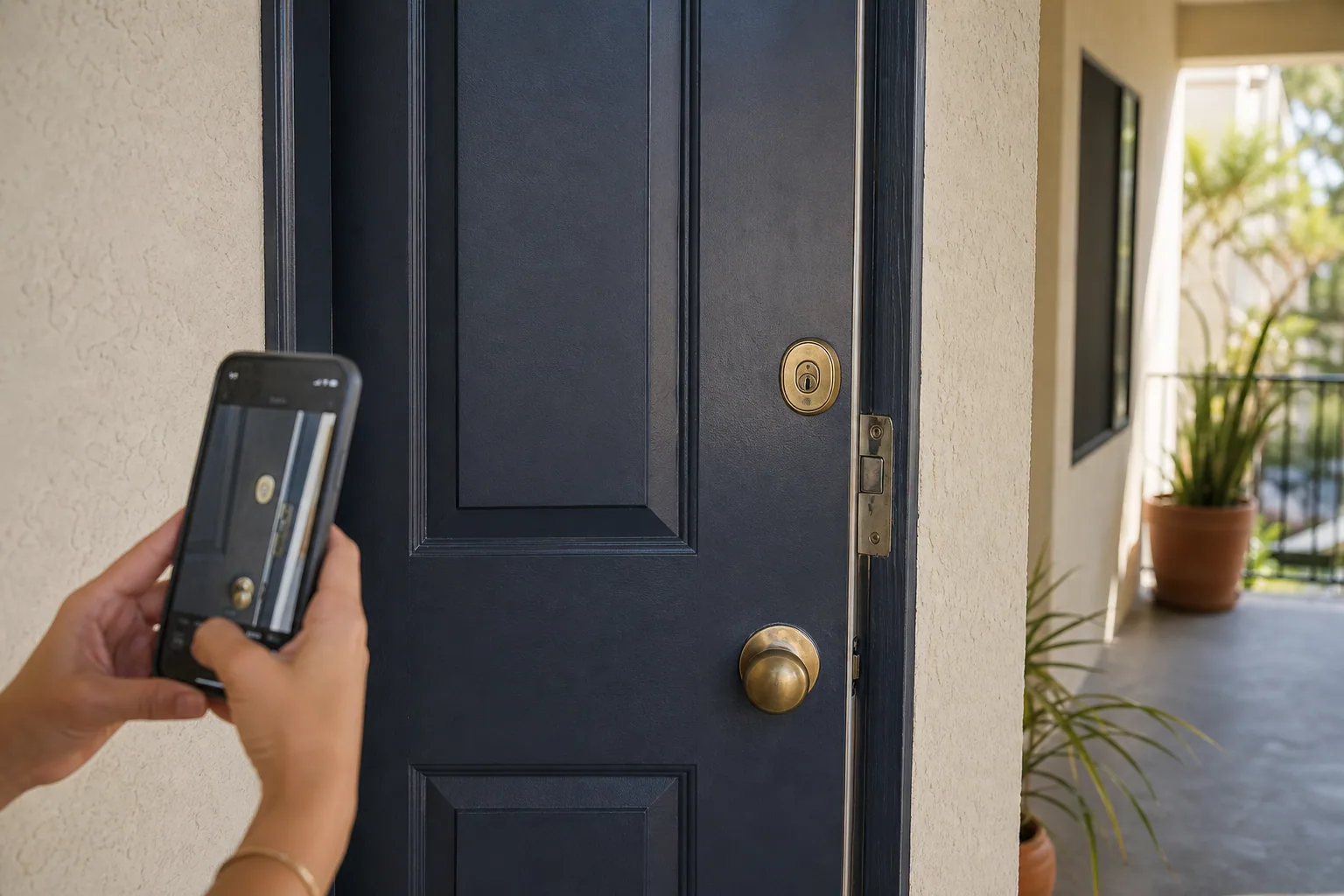
If you need help deciding, a professional locksmith can evaluate your locks and give you a clear recommendation. Services like RR Locksmith Connect can help you find a qualified provider in your area who can handle both rekeying and replacement. Their network connects you with available locksmiths who understand the local security landscape.
Final considerations
Both rekeying and replacement have their rightful place in home and business security. Rekeying is quick, economical, and ideal when the hardware is sound. Replacement offers a fresh start with upgraded features and reliability. By understanding the trade-offs, you can make a choice that protects your property without overspending. Whether you opt for a simple rekey or a full lock upgrade, taking action to secure your doors is always a wise move. For those in the Los Angeles area, RR Locksmith Connect can point you toward trusted professionals who can get the job done efficiently.